Outreach to Grape, Alfalfa Seed, and Mint Growers
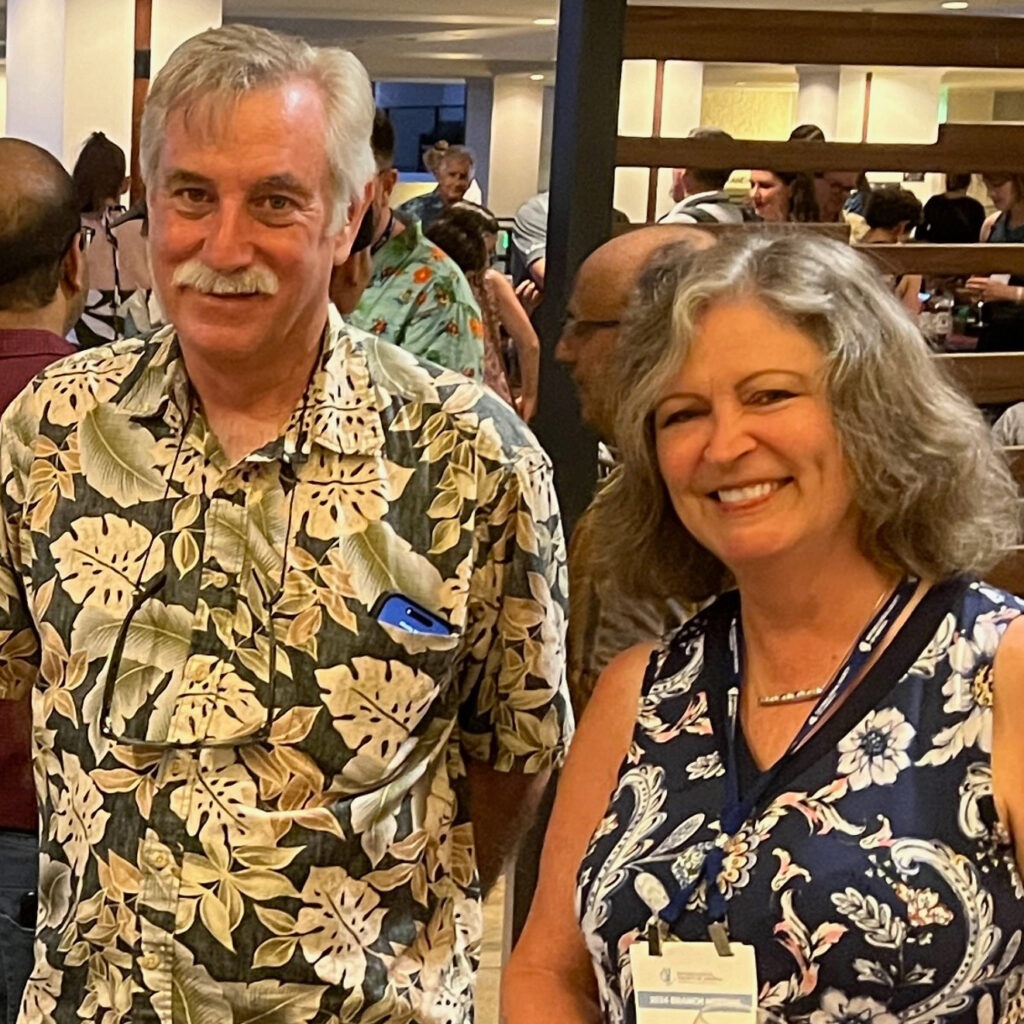
Washington State IPM Coordinator and Extension Entomologist Doug Walsh presented Challenges in grape mealybug management in cool climate vineyards at the 2026 Pacific Branch Meeting of the Entomological Society of America (ESA). His presentation was part of the Biology, Ecology, and Management of Insect Pests in Western U.S. section of the annual meeting, which was held in Spokane, WA in April.
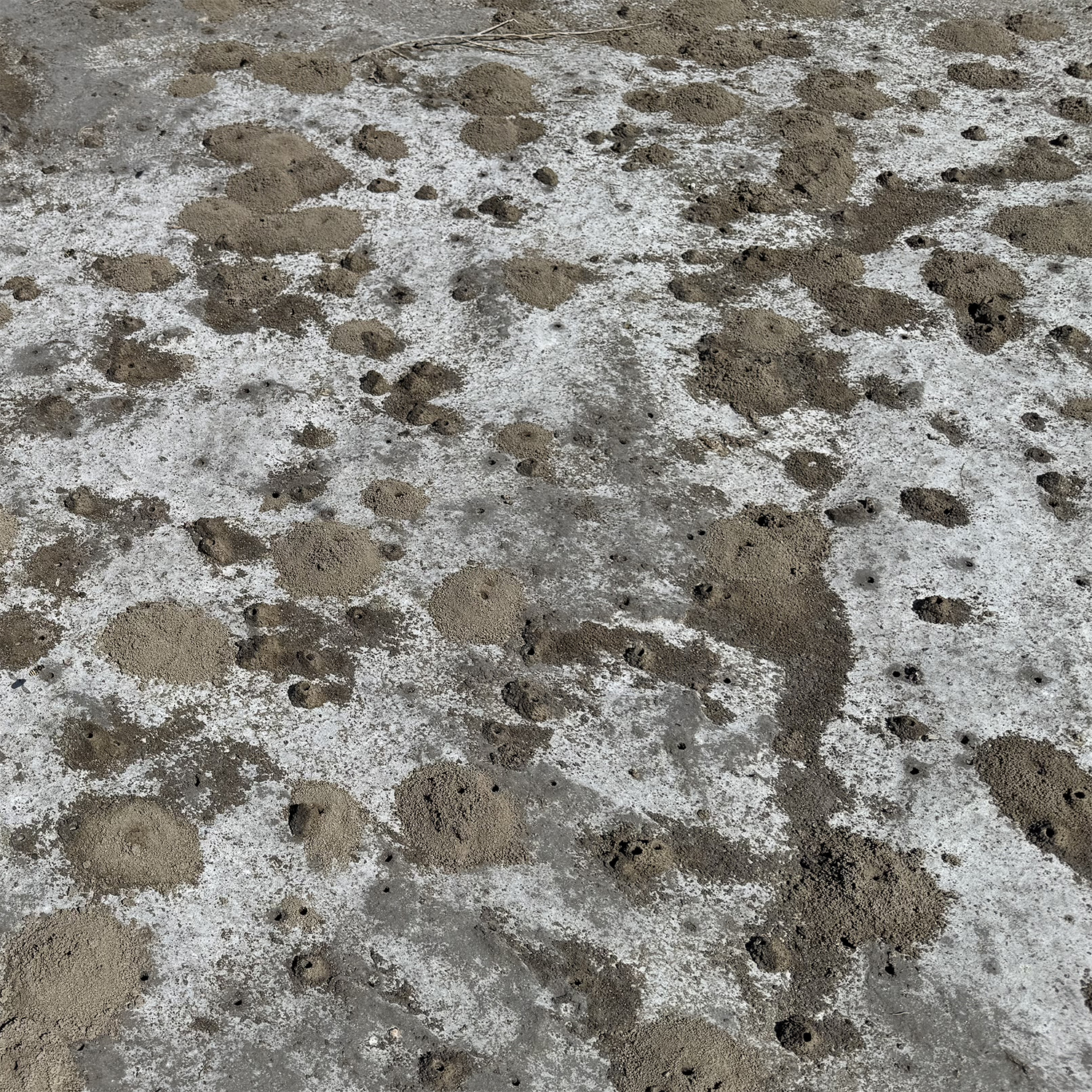
Walsh presented at Alfalfa Seed Field Days in May and June. Washington is a leading producer of alfalfa seed, the production of which requires the pollination services of managed bees, including the largely imported alfalfa leafcutting bee and the native, ground-nesting alkali bee. Walsh has worked for over two decades helping alfalfa seed growers balance pollinator protection with pest management. Recent studies indicate improving abundance of the native alkali bees. The June field day included results of recent field trials of Syngenta’s PLINAZOLIN technology for Lygus control.
Walsh hosted the Washington State Mint Field Day on June 2 at the Washington State University Irrigated Agriculture Research and Extension Center in Prosser. Over 90% of our nation’s mint is grown in the Pacific Northwest. Washington state mint growers traditionally come together on the first Tuesday in June.
Codling Moth in Apple, Mites in Pear, and Technology in IPM
Tree Fruit IPM Extension Specialist Betsy Beers contributed an article to the WSU Tree Fruit website in May. Apple IPM in Hard Economic Times addresses the reality of current tree fruit economics and helps growers prioritize the truly critical (e.g., codling moth mating disruption) over those considerations that can be deferred temporarily (e.g., most resistance management concerns).
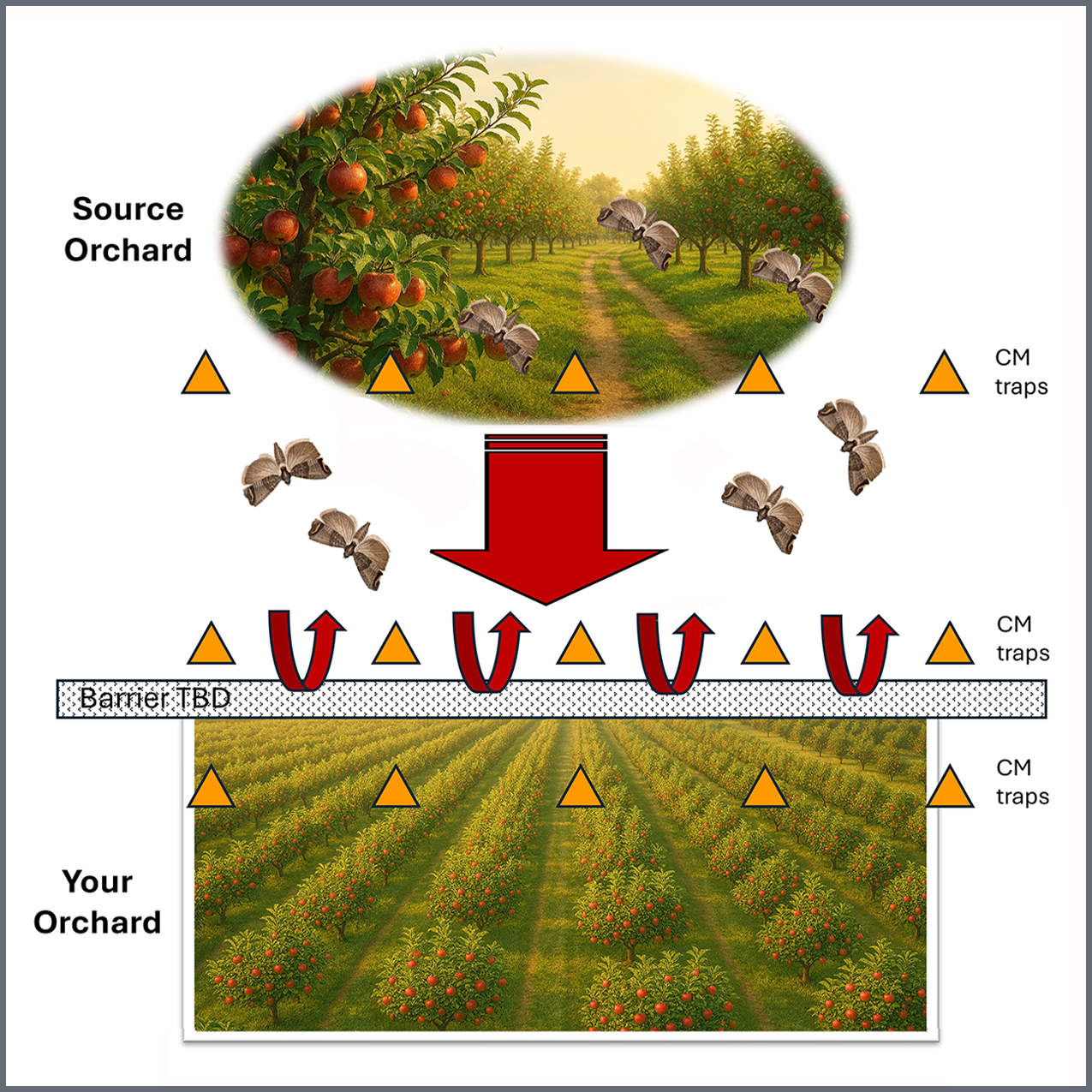
Along with colleague Tianna DuPont, Beers started a new demonstration project to address the recognized high pressure from codling moth being generated in “idle” orchards. As many growers spray less in lean economic times, Beers’ team is working on a “perimeter defense” strategy for orchardists near these neglected trees, utilizing barrier treatments of drape netting and kaolin clay to exclude these critical pest moths from productive orchards.
At a monthly discussion group in Cashmere, WA, Beers spoke about mites and mite control in pears. Her talk included a review of miticide resistance patterns in twospotted spider mite in the Wenatchee River Valley.
Beers also presented at the Pacific Branch ESA meeting. Her talk, Technology and decision-making in tree fruit IPM: Past and present, focused on the amazing evolution of these tools from the 1970s to today. It was part of the section on Leveraging Modern Technologies and Models to Reimagine Pest Management Decision-Making.
Workshop and Videos Address Mite Pests of Honey Bees
Honey Bee Health Specialist Brandon Hopkins and the WSU Bee Program reached over 1600 people through presentations or events this quarter. Several projects addressed Varroa destructor, a key mite pest of honey bee.
In May, the Hopkins lab hosted a Mite Management Toolbox Workshop focusing on Varroa biology, impacts, and management. Participants gained hands-on experience, observing different Varroa life stages, conducting an acaricide resistance test, and practicing monitoring techniques. The workshop also introduced Tropilaelaps mites, an emerging threat.
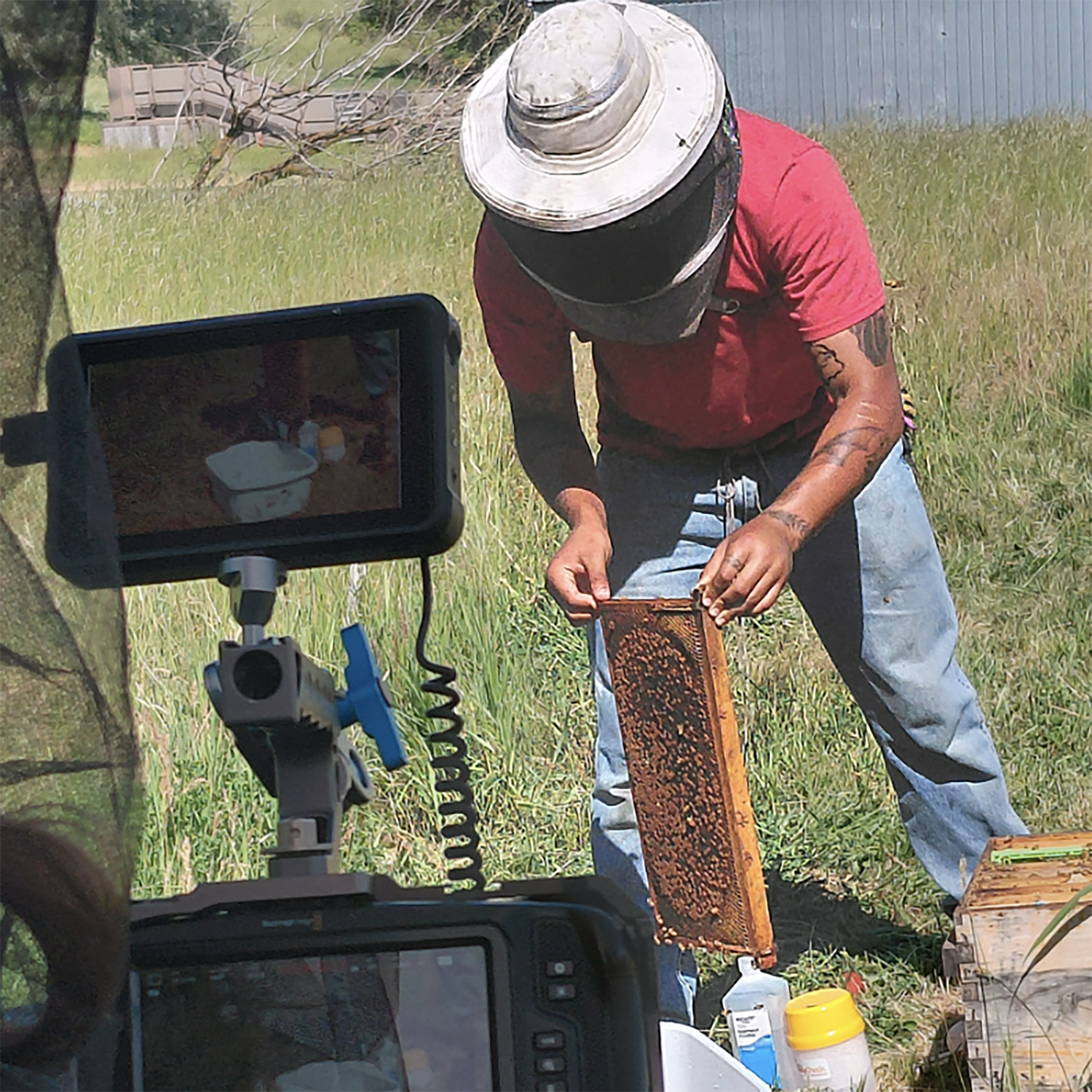
In June, the team completed filming HIVE PNW (Holistic Integrated Varroa Education for the Pacific Northwest). This 10-part, open-access video series through Wonderstone Films will provide comprehensive, seasonally relevant, and region-specific guidance on Varroa management including selecting and timing miticides, implementing cultural and mechanical strategies, leveraging periods of low or absent brood, and developing year-round management approaches adaptable to individual apiaries. Funded by the Washington State Department of Agriculture Specialty Crop Block Program, the series is scheduled for release on the WSU Bee Program YouTube channel in December. Concurrently, WSU Bee Program Extension Coordinator Bri Price is conducting surveys to better understand beekeepers’ strategies and motivations for managing Varroa mites across Washington State. Findings will help inform future approaches to apicultural education and outreach.
Green School and Other Resources for Savvy Gardeners
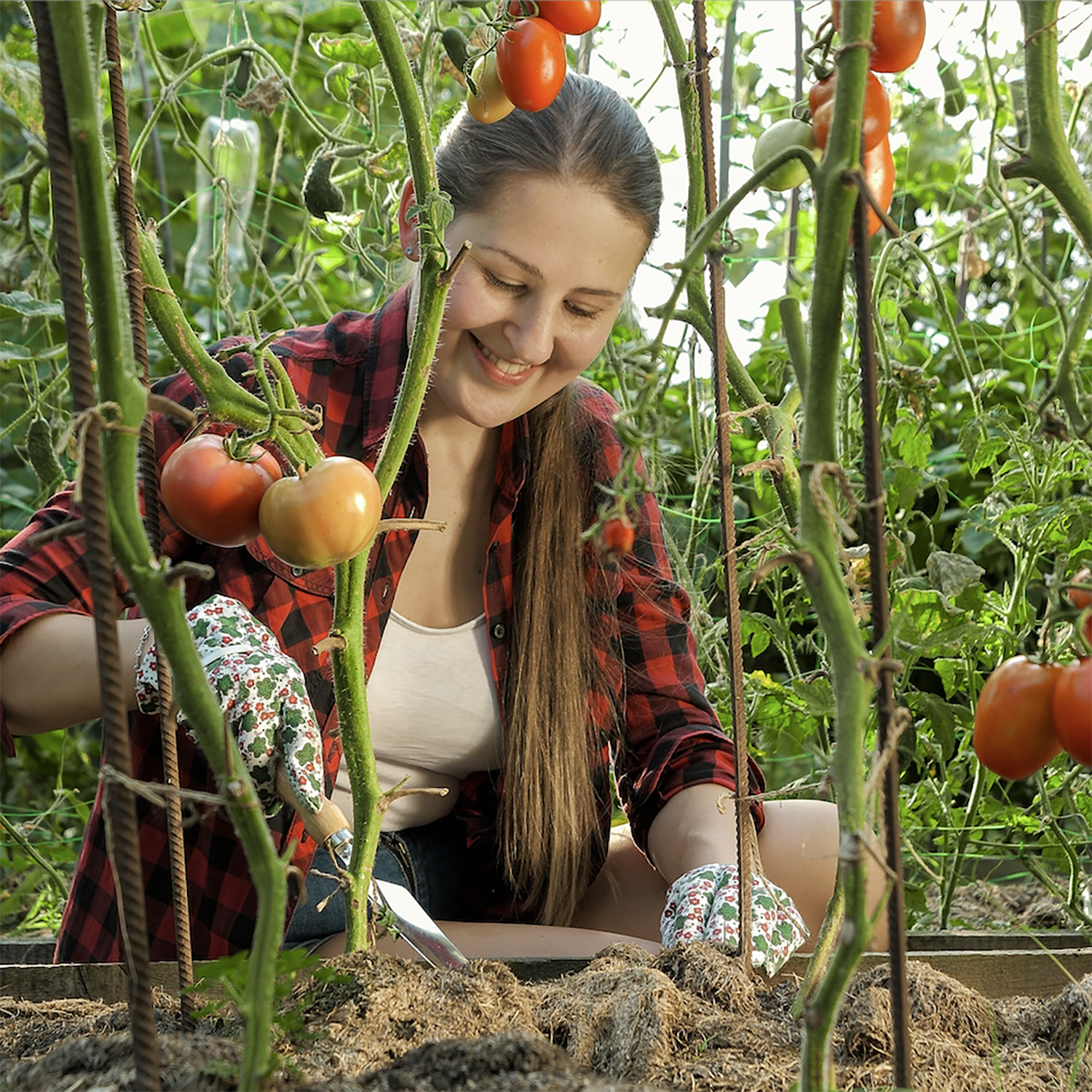
WSU Extension Master Gardener Program Director Jennifer Marquis is preparing for the fall launch of the second Washington Green School. WGS is a certificate program designed for home gardeners, students and teachers, horticulture professionals, green industry experts, garden club members, and anyone who wants to enrich their gardening journey. Led by expert instructors, WGS offers flexible online modules and live Zoom sessions covering 28 essential gardening topics over 20 weeks from October through February. Green School registration for the 2026-2027 session opens August 17. Learn more about WGS here or check out the WGS FAQ page. The inaugural WGS course held last year graduated over 800 people.
Washington Green School’s official textbook is the Pacific Northwest Gardener’s Handbook, which is available to the public as a download free of charge. Fully revised, edited, and expanded in 2025, the handbook is a multi-year culmination of expertise covering the fundamentals of gardening as well as advanced horticultural topics.
The WSU Extension Master Gardener Program offers many other research-based gardening resources as well, including the Hortsense website to help home gardeners identify and manage pests and beneficial organisms and the Pestsense website to provide information on how to manage common indoor pest problems through IPM.
Gathering Information to Serve Western WA Small Farms
Regional Horticulture and IPM Specialist Laurel Moulton and the WSU Regional Small Farms Team recently conducted an Integrated Pest Management Needs survey to assist them in providing programming to the western Washington small farms they serve. Results are under analysis and will inform the development of webinars, farm walks, discussion groups, and other activities.
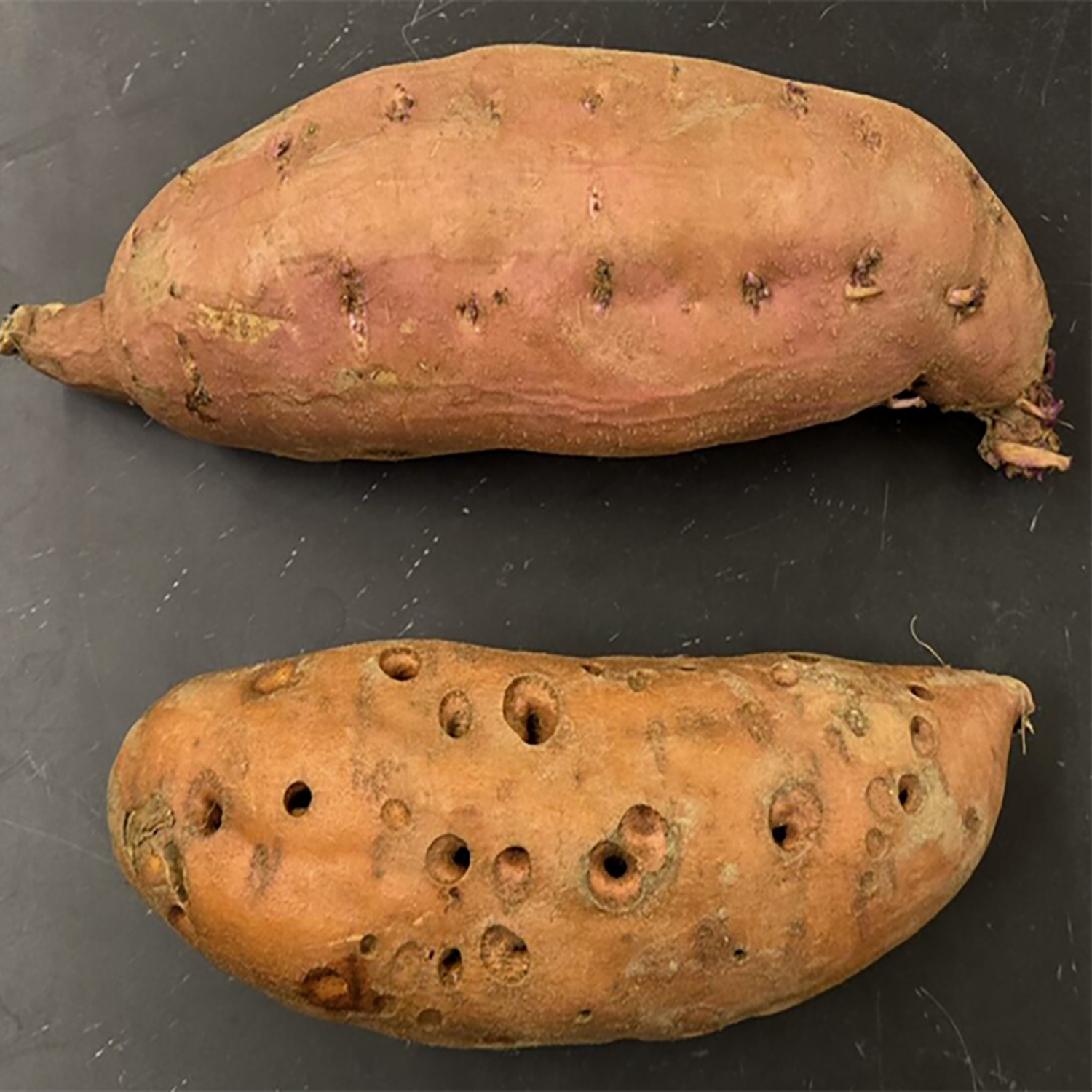
Earlier in the year, growers of sweetpotatoes were surveyed. Over the past three years, farmers and gardeners across western Washington have participated in sweetpotato growing trials through a partnership between the WSU NWREC Vegetable Program and the WSU Regional Small Farms Program. These trials helped shape a new series of six sweetpotato growing guides to support successful production in western Washington. The Pests and Diseases module has extensive IPM content, and four of the others do as well: Sweetpotato Varieties includes information on wireworm-resistance; Slip Production addresses virus management; Production Practices includes weed management; and Curing and Storage discusses rot. Moulton served as co-author for the guides. Educators, advisors, farmers, and other stakeholders were invited to review the guides and share feedback to ensure they are clear, useful, and accessible.
The team also maintains a Farmer Technical Assistance Request website, enabling individual farmers in Clallam, Jefferson, and Kitsap counties to contact them.
Viticulture Boot Camp, Newsletter, and Presentations
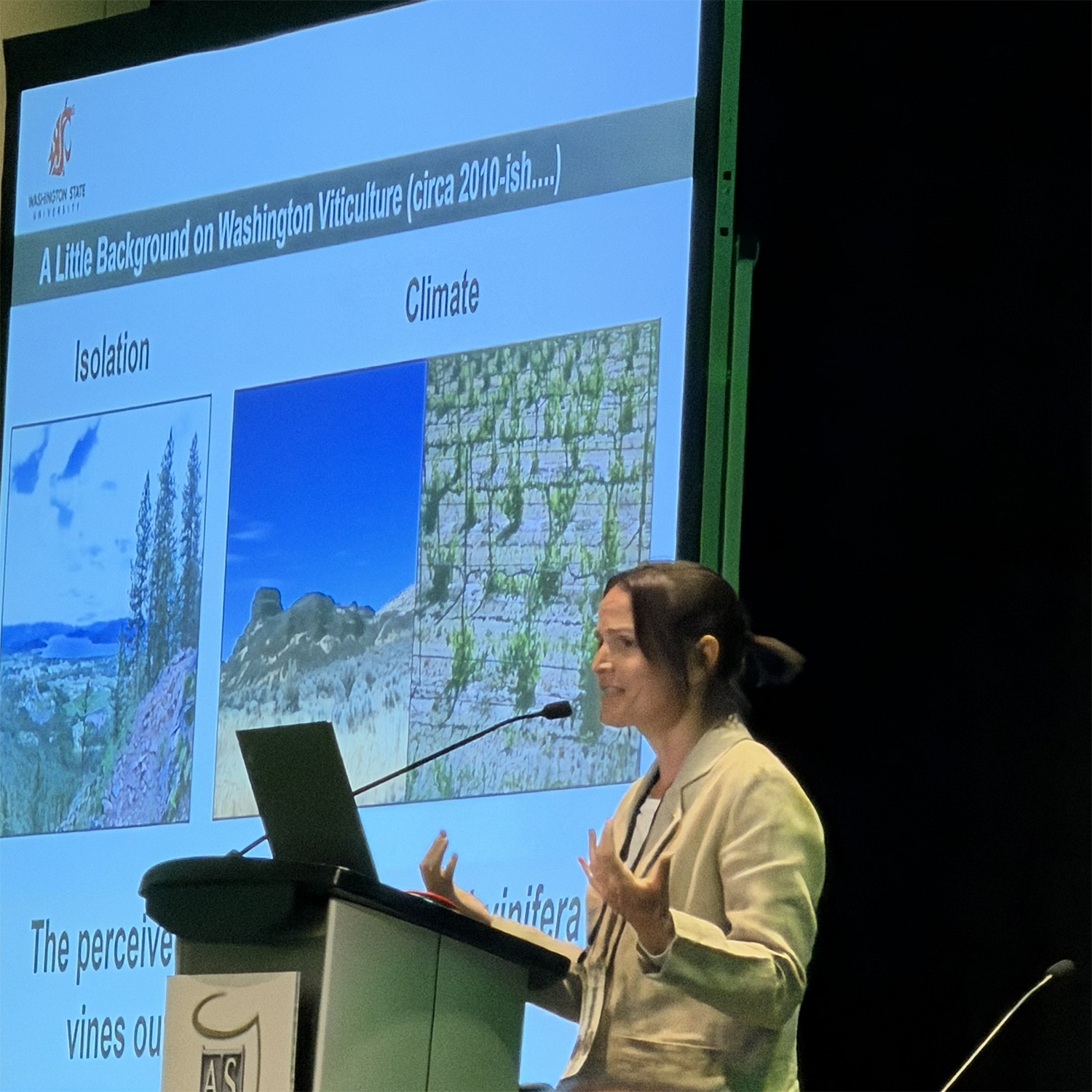
Statewide Viticulture Specialist Michelle Moyer released the Spring 2026 Issue of Viticulture & Enology News. In addition to serving as editor of VEEN, Moyer contributed an article on vineyard idling to this edition, including pest management implications. This topic is addressed in detail in Idling Vineyards in the Pacific Northwest, co-written by Moyer with colleagues Markus Keller and Patricia Skinkis and published earlier this year.
Moyer organized and hosted the Viticulture Intern Boot Camp in May. This intensive, all-day annual workshop provides hands-on classroom and vineyard training for 25 Pacific Northwest viticulture industry-related workers, typically early-career individuals. Participants scouted for pests and diseases and learned about seasonal pest management.
As part of the This Week in Viticulture newsletter series, Moyer and colleagues kept subscribers up to date on powdery mildew management, helping them with spray timing and otherwise optimizing control of this important vineyard disease.
Moyer’s myth-busting June presentation on Sulfur Fungicide Phytotoxicity as part of the WAVEx webinar series can be viewed on the Washington State Wine Commission website and on YouTube. She also addressed this topic in a poster at the American Society for Enology and Viticulture (ASEV) Conference in June in Boise, ID, along with a poster on UV-C and Canopy Management for Powdery Mildew Control and gave a talk on fumigation, rootstocks, and nematodes.
Revised House Ant Publication Now Available
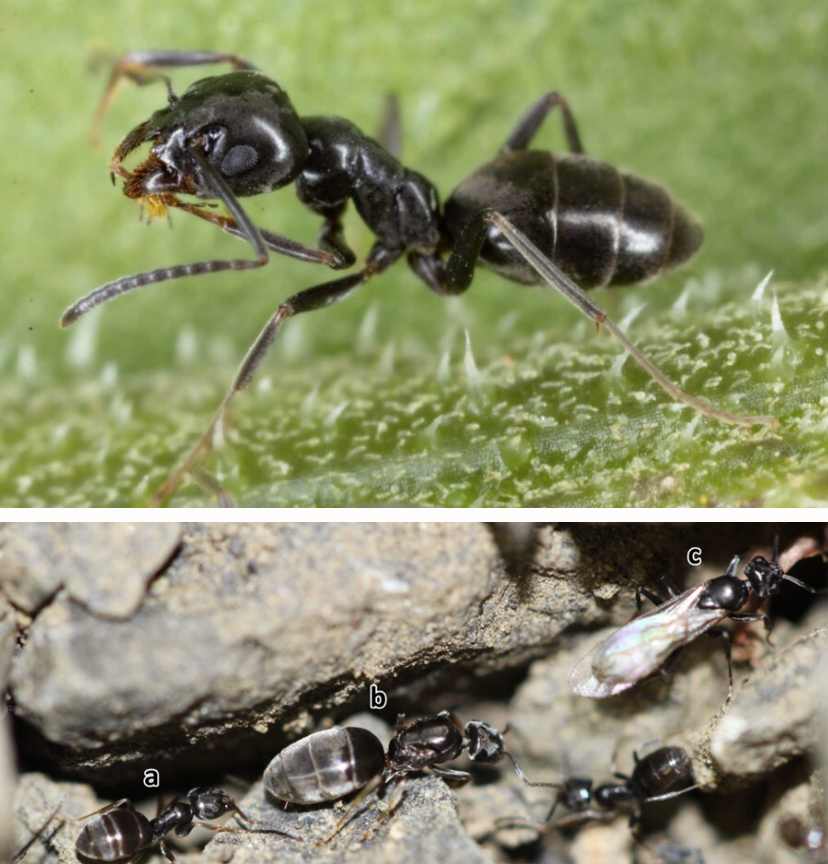
Urban IPM Specialist Todd Murray served as co-author, along with WSU Professor Richard Zack and former WSU scientific researcher Sam Dilday, of WSU Extension Bulletin EB1550E, Odorous House Ant (Tapinoma sessile Say). The publication, originally released in 1998, was updated in April 2026 and is available free of charge. It covers identification, biology and behavior, and impact and pest management of the persistent nuisance pest.
Murray was primary author of Fact Sheet FS079E Brown Marmorated Stink Bug and a co-author of Fact Sheet FS078E European Chafer, both of which are part of the Home Garden Series and the Pest Watch Series of WSU Extension Publications. He also served as co-author of Pacific Northwest Extension Publication PNW640, Organic Management of Flea Beetles.
Murray has served as director of WSU Puyallup Research and Extension Center since 2020. PREC provides research, technology, instruction, and outreach to improve agriculture, community well-being, and natural resources by bridging our land-grant mission to an increasingly urbanized Puget Sound region and beyond. Murray is also current Chair of the Washington Invasive Species Council. He brings over 20 years of experience working with exotic pests in agriculture, home horticulture, and natural resources to the WSU Extension Integrated Pest Management team.
SWD IPM in Small Fruit, Hyde Seminar Series
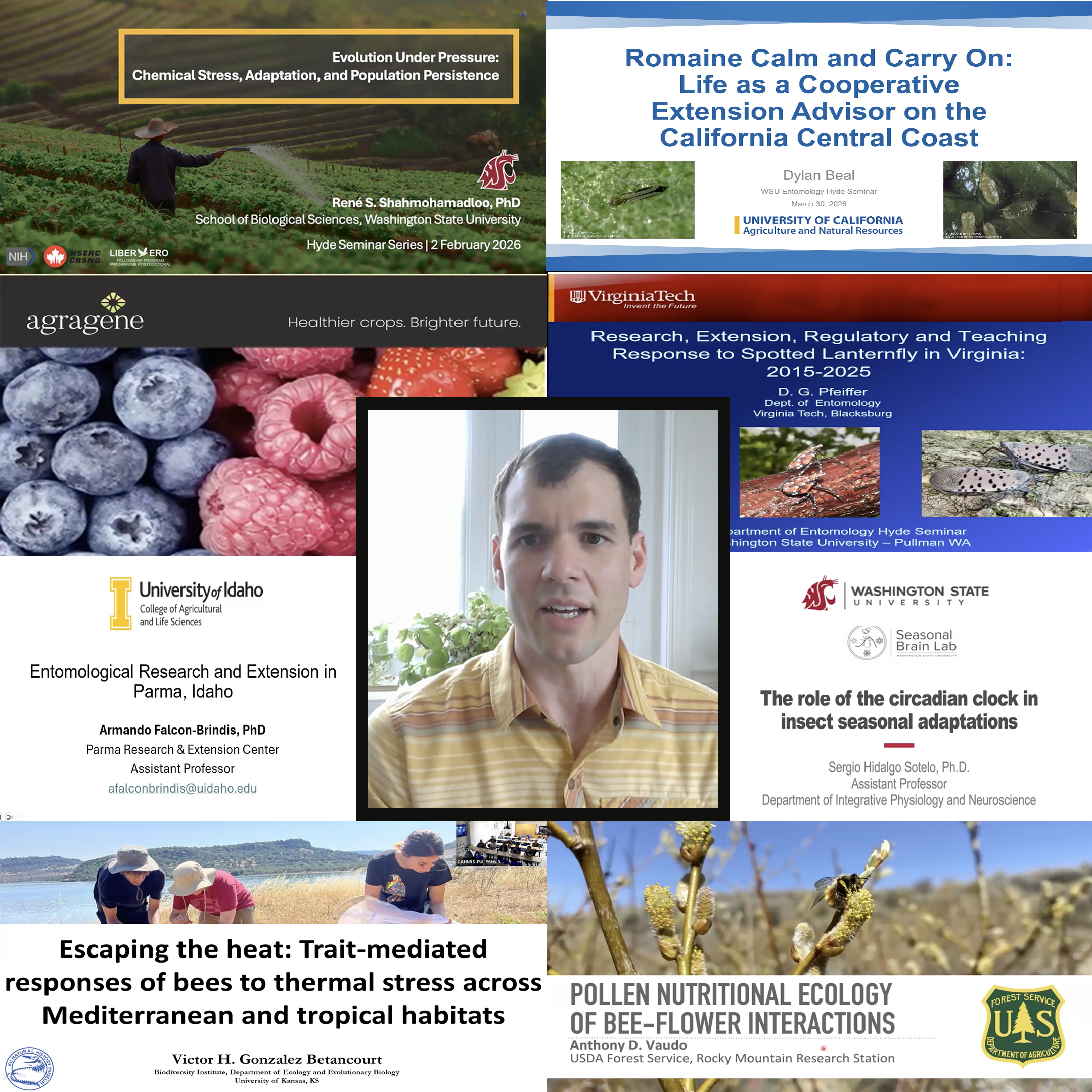
Horticultural Crop IPM Specialist Louie Nottingham and his PhD students attended the Pacific Branch ESA meeting in April. He presented Toxic masculinity: Spotted wing drosophila control with CRISPR cas-9 sterilized male in the conference section entitled The Sterile Insect Technique: Innovations, Challenges, and Future Directions. His students Claire Winslow and Gusta Rose Beard presented posters (Blueberries, behavior, and the battle against D. suzukii: Evaluating a host-cue disruptor in the lab and field and Field evaluation of new sterile insect release (SIR) method to control Drosophila suzukii, respectively) at the annual branch meeting.
Nottingham participated in Blueberry IPM Strategic Planning for Oregon and Washington, a working group that met at Oregon State University North Willamette Research and Extension Center in April to share ideas and Extension program planning across the two states.
Along with colleague Elizabeth Murray, Nottingham coordinated the Spring 2026 Marilyn and James Hyde Seminar Series, a colloquium within the WSU Department of Entomology. Between February and April, eight scientists representing seven different institutions spoke on topics as diverse as Evolution and Adaptation, Next-Generation Insecticides, Spotted Lanternfly in Virginia, and research and extension in Idaho and California. Zoom recordings of the presentations are available on the colloquium’s website and archives.
Potato and Onion Presentations, Field Days, Newsletters
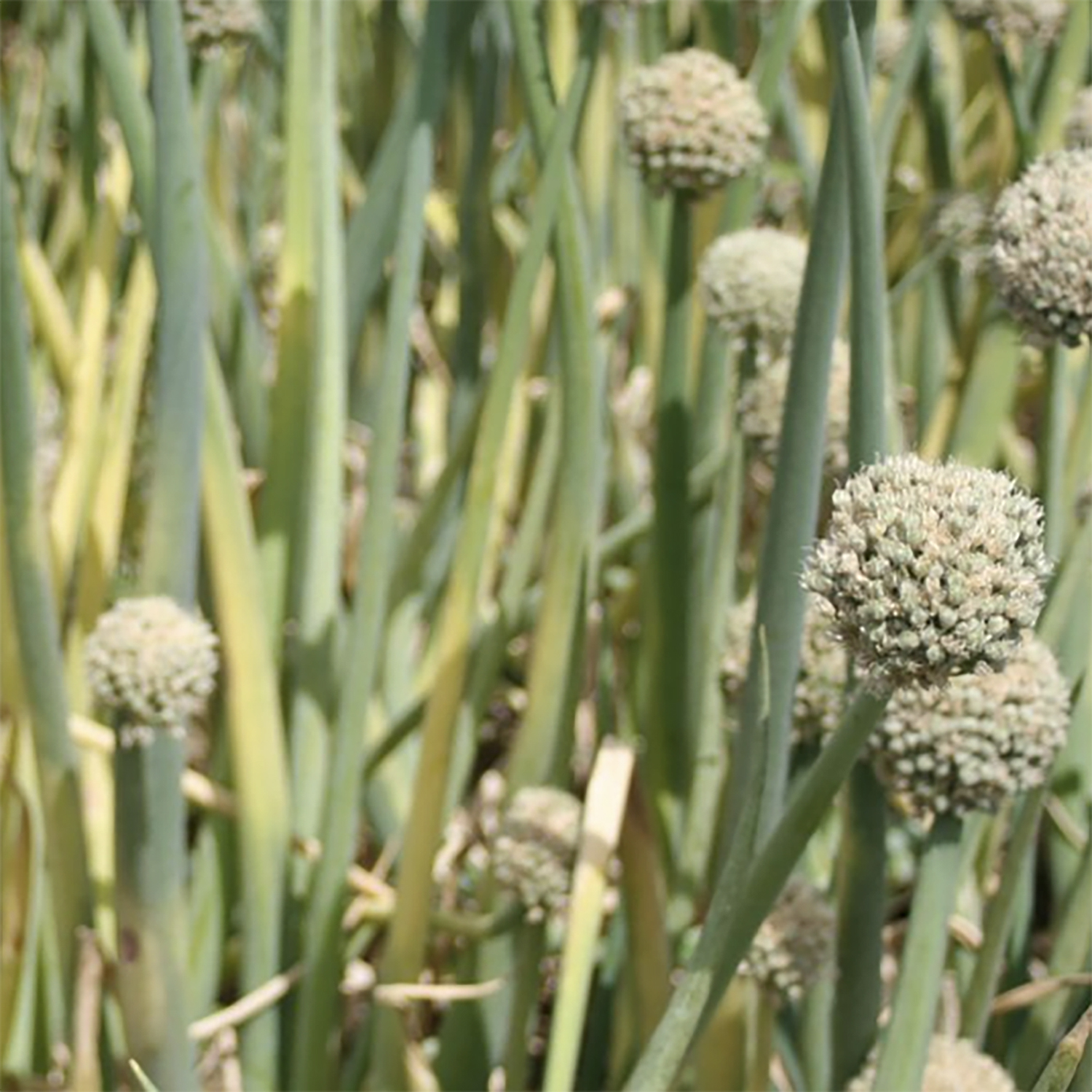
Regional Vegetable Specialist Tim Waters presented Do Lygus cause economic damage to potatoes? as part of the Biology, Ecology, and Management of Insect Pests in Western U.S. section at the Pacific Branch ESA meeting in April. He was also co-author of a presentation on Multi-state evaluation of neonicotinoid alternative programs for Colorado potato beetle management with Marcelo Dimase, University of Idaho; Zsofia Szendrei, Michigan State University; Andrei Alyokhin, University of Maine; and Russell Groves, University of Wisconsin.
Waters also discussed neonicotinoid alternatives at the WSU Potato Field Day in June, joined by Alex Karasev of University of Idaho, and moderated the Pest Management Field Tour that featured seven presentations on various aspects of IPM.
Nine regular editions of WSU Potato Alerts were released this quarter. Pests and diseases discussed included late blight, Lygus bug, potato psyllid, and root knot nematode. There were also two comprehensive, pest-specific editions on Colorado Potato Beetle and Beet Leafhopper, which included pest identification, life cycle, scouting, and best IPM practices.
Waters and colleagues Carrie Wohleb and Lindsey du Toit issued a special Onion Alert on Downy Mildew in May. Topics included the causal agent, scouting and reporting, symptoms and signs, secondary infections, and management strategies.

Happy Trails to Sally O’Neal
Ed. Note: All the articles in the WSU Extension Integrated Pest Management newsletter since its inception in 2018 have been written by Senior Research and Extension Communication Specialist Sally O’Neal, except for this one, which was written by her supervisor, Washington State IPM Coordinator Doug Walsh.
I want to congratulate Ms. Sally O’Neal regarding her upcoming retirement starting on September 1, 2026. However, I do this with great sadness, because as I have mentioned on many occasions, “Sally is the crown jewel in my petty academic fiefdom.” Sally’s writing, editorial, and organizational skills have contributed to the success of many academic and Extension programs not only at WSU but also with a substantial number of other universities nationwide and a myriad of federal and state agencies. Sally’s separation will be sorely felt. All sadness aside, congratulations are in order for Sally.
Sally started her 28-year career with WSU in October 1998 as the Editor of Agrichemical and Environmental News. The AE News was the Food and Environmental Quality Laboratory’s (FEQL) monthly newsletter that provided timely information regionally on pesticides and other environmental issues. Sally’s time was divided between the WSU Integrated Pest Management (IPM) program and Washington State Pesticide Management Resource Services (WSPRS) until she decided in the early 2000s to join my Integrated Pest and Pollinator Management program and WSU Environmental and Agricultural Entomology Laboratory (EAEL).
Since joining the EAEL Sally has been the bedrock of the program in authoring, co-authoring, or editing research and Extension grant proposals that have resulted in over $30 million in extramural funding. Notable federal grants received from USDA National Institute for Food and Agriculture programs include Specialty Crop Research Initiative, Extension IPM Implementation program, Alfalfa Seed and Alfalfa Forage Systems program, Agriculture and Food Research Initiative, and Regional IPM grants program. Other federal grant sources have included the Risk Management Agency, Environmental Protection Agency, and the National Science Foundation. Grants from state agencies include Washington State Commission on Pesticide Registration, Washington Commission on Integrated Pest Management, Washington Department of Agriculture Specialty Crop Block Grant program, and the Washington Hops, Wine Grape, Mint, and Alfalfa Seed Commissions. All grants come with reporting requirements and Sally played a crucial role in assuring reporting was concise, comprehensive, professional, and met each agency’s requirements.
Many of these grant-funded projects involved multiple co-investigators, collaborators, and grower groups with a broad range of personalities and working styles. Sally navigated these challenges and has earned the respect of all that have had the opportunity to work with her.
Sally contributed to numerous Extension outputs that include this quarterly newsletter, many Extension publications, and several scientific journal articles. Among her most noteworthy contributions were co-authoring and graphic design of the Field Guide for Integrated Pest Management in Hops and the Field Guide for Integrated Pest Management in Pacific Northwest Vineyards and their bilingual pocket versions. Other outputs included developing Pest Management Strategic Plans (PMSPs) for hops, wine grapes, and alfalfa produced for seed.
In retirement Sally will now have a greater amount of time to pursue her hobbies and the activities she truly enjoys. This includes traveling, hiking, and camping with her husband Mike, golfing with her friends, and playing bass and trombone in the three bands she performs with around the Tri-Cities, Washington.
Sally has my heartfelt thanks for her hard work and efforts that have benefited WSU and I truly hope that she has a wonderful, fun-filled retirement. Sally has earned it!